Key takeaways
- An ophthalmic drape must isolate lashes and lid margins, usually with an adhesive incise film across the aperture.
- Fluid collection pouches keep irrigation fluid away from the patient’s ear, neck and the floor.
- Because many eye patients are awake, breathability and space around the nose and mouth are design requirements, not extras.
- Retinal surgery generally calls for larger pouches and better cable management than routine cataract surgery.
The operative field in eye surgery is a few centimetres across, viewed through a microscope, and in most cases the patient is awake. Those three facts shape the ophthalmic drape. It is a small product by the standards of the operating theatre, but high-volume cataract lists mean a hospital may use more of them than of any other drape, and a detail that irritates the surgeon will do so many times a day. This article looks at the features that make a practical difference and at how cataract and retinal requirements diverge.
A small field with particular demands
The eyelashes and lid margins carry bacteria and cannot be made sterile by skin preparation alone, so they have to be physically kept out of the field. Balanced salt solution runs continuously during phacoemulsification and vitrectomy and must go somewhere. Particles matter more than in most surgery, because a fibre that would be trivial in an abdominal wound is unwelcome inside an eye. And beneath the drape is a conscious person, often elderly, breathing under a sheet that covers the face. A good eye drape answers all four points.
The aperture and lash isolation
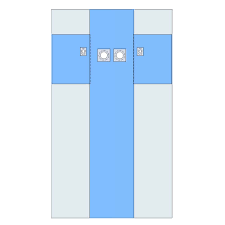
Most ophthalmic drapes have an oval or rectangular fenestration spanned by a transparent adhesive incise film. The drape is applied with the lids held open so that the film sticks to the skin of the lids and the lashes. The film is then cut along the opening between the lids, and when the speculum is inserted its blades carry the cut edges of film around the lid margins, wrapping the lashes out of the way. Some surgeons prefer a drape with a pre-cut aperture, or an open fenestration with a separate adhesive strip.
Points worth checking in a sample:
- Adhesion. The film has to hold on skin that has just been prepared with an aqueous antiseptic, and stay attached when wet with irrigation fluid. It should also release without stripping the thin skin of the eyelid.
- Film character. It should be soft enough to wrap over the lid margin under the speculum without springing back, and should cut cleanly.
- Aperture size and position. It needs to suit both right and left eyes, and to sit correctly whether the surgeon works from the temporal or the superior side.
- Low glare. A matt surface around the aperture reduces reflection of the microscope light.
Fluid collection pouches
Irrigation fluid leaving the eye follows gravity towards the temple and the ear. A film pouch attached at the side of the aperture catches it. Common variations include a single pouch on the temporal side, a pouch on each side so that one drape serves either eye, and a pouch running around the lower edge of the aperture. A soft, mouldable wire or foam strip in the pouch rim lets the nurse shape it to stay open against the patient’s face, and some designs add an absorbent strip or wick that draws fluid from the lateral canthus into the pouch. Larger pouches may have a drain port for suction tubing.
A pouch that works keeps the patient’s hair, ear and neck dry and the surgeon’s footing safe. One that is too shallow, or that collapses, simply redirects the fluid onto the pillow.
Fabric, lint and the awake patient
The body of the drape is typically a soft, low-lint non-woven such as SMS, with weight chosen to requirement. Linting is a selection criterion in its own right for intraocular surgery, and it is reasonable to ask a supplier what data they hold on particle release.
Patient comfort is the other half of the material question. Under local or topical anaesthesia the patient breathes beneath the drape for the whole procedure. Exhaled air can accumulate under a sheet lying directly on the face, and where supplemental oxygen is given, an oxygen-rich pocket can form. That is uncomfortable, can make patients restless, and raises fire-safety considerations if cautery is used. Design responses include breathable fabric over the lower face, a malleable nose strip that tents the drape, and enough width for the drape to rest on a support bar or frame rather than on the mouth and nose. How air or oxygen is delivered and how fire risk is managed are matters for the anaesthetic team and hospital protocol; the drape should simply make good practice easy.
How cataract and retinal requirements differ
| Aspect | Cataract surgery | Retinal and vitreoretinal surgery |
|---|---|---|
| Duration | Usually short, high turnover | Generally longer and more variable |
| Fluid | Steady irrigation during phacoemulsification | Greater total volume from prolonged infusion |
| Pouch | Compact single or double pouch is often sufficient | Larger-capacity pouch, often with a drain port |
| Lines and cables | Phaco handpiece and irrigation line | Infusion line, cutter, light pipe, laser probe and others; tube holders are useful |
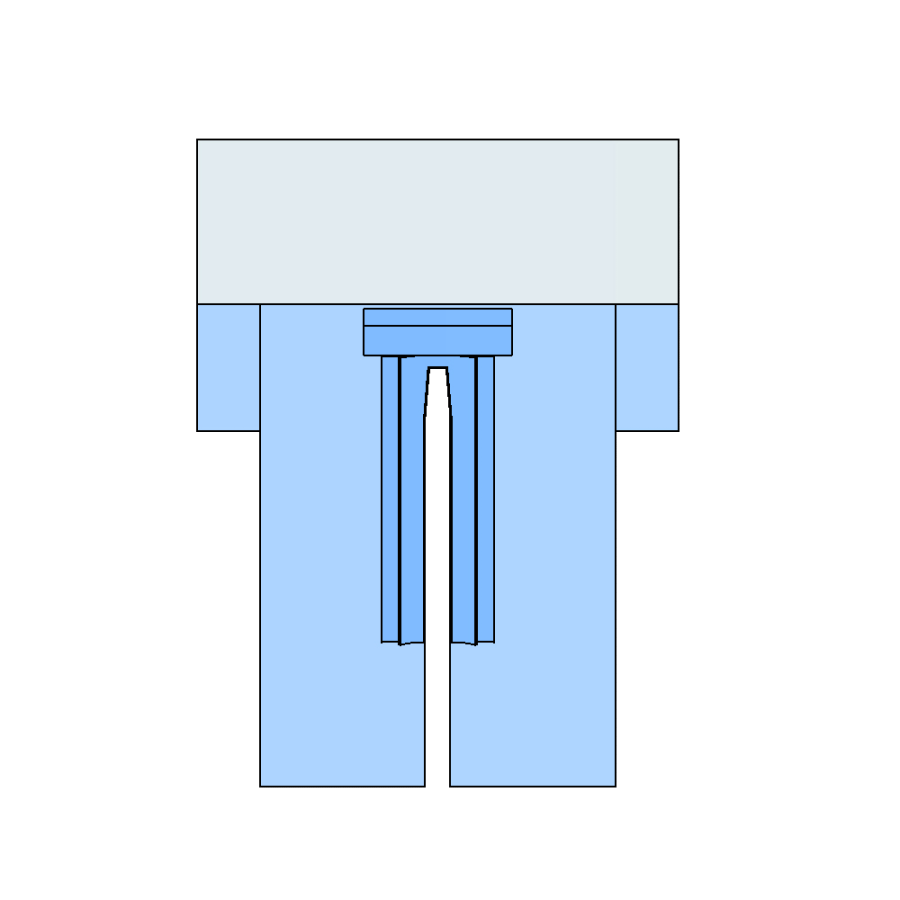
| Drape size | Head and upper-body coverage is common for day-care lists | Larger coverage, often full length |
| Priority | Speed and consistency of application | Adhesion and fluid control maintained over time |
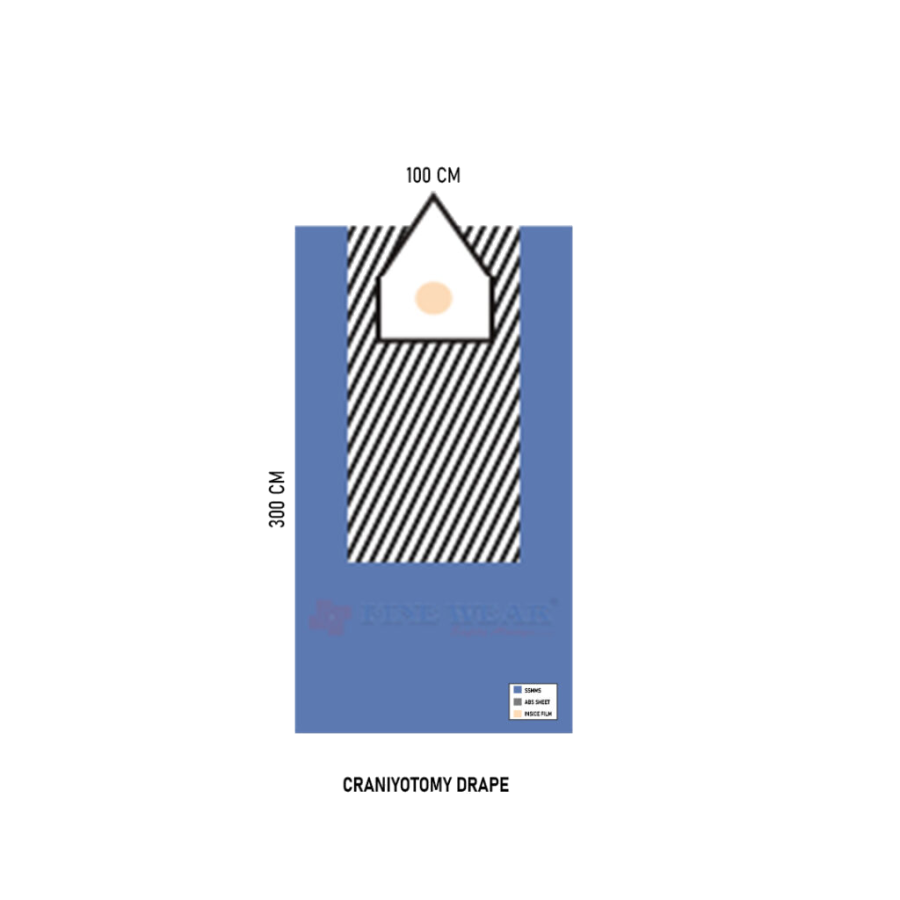
Other procedures have their own needs. Oculoplastic and squint surgery may require a wider aperture exposing both eyes or the surrounding face, and intravitreal injections are commonly performed with a small adhesive aperture drape.
The drape as part of an eye pack
Because eye surgery is repetitive and brisk, the drape is seldom bought alone. A typical ophthalmic pack is built around the drape and adds a table cover, gowns, hand towels, a Mayo or trolley cover and, to requirement, items such as gauze swabs, eye shields or a microscope drape. Assembling these in order of use shortens turnaround between patients and reduces the number of packets opened for each case. The contents of our kits and packs are set by the customer, so components that a unit never uses can be left out.
What to ask your supplier
- Can I have sterile samples for a full operating list, used on both right and left eyes?
- What are the aperture dimensions, and can its size or position be altered?
- Is the incise film continuous or pre-cut, and what adhesive is used?
- How many pouches are there, where are they placed, and do they have a mouldable rim or drain port?
- What is the fabric construction, and what information is available on linting?
- How is the drape sterilised and packed, and how are lots traced?
Shrisay Medical manufactures ophthalmic and other speciality drapes with apertures and pouches made to the surgeon’s preference; samples and drawings can be requested through our contact page.
Frequently asked questions
Why do eye drapes have an adhesive film over the opening?
The film sticks to the eyelids and lashes so that, once cut and held back by the speculum, it wraps the lashes and lid margins out of the operative field.
Can one ophthalmic drape be used for either eye?
Many can. Designs with a centrally placed aperture and a pouch on each side are intended for both right and left eyes, but this should be confirmed on a sample.
What is the pouch on an ophthalmic drape for?
It collects the irrigation fluid that runs from the eye towards the temple, keeping the patient’s ear, hair and neck dry and preventing fluid from reaching the floor.