Key takeaways
- Single-use and reusable drapes are two different systems, and each is only as good as the process behind it.
- A reusable drape has to meet its barrier requirement at the end of its stated life, which makes cycle tracking and inspection essential.
- A fair cost comparison is per procedure and includes laundry, labour, sterilisation, losses and waste disposal.
- Environmental outcomes depend on local reprocessing efficiency and waste treatment, so neither option wins everywhere.
The choice between disposable and reusable surgical drapes is often argued as if one were plainly safer or plainly greener than the other. Neither claim holds in every hospital. Both kinds of drape can be made to meet recognised barrier standards, and both can fail when the system behind them is weak. This comparison sets out what each option depends on, so that a procurement team can judge which one their own facility can run well.
Two systems, not just two fabrics
A single-use drape is made from non-woven fabric, plastic film or a laminate of the two. The manufacturer cuts, assembles, folds, packs and sterilises it, commonly with ethylene oxide, and the hospital opens it once and then discards it through its biomedical waste stream.
A reusable drape is made from tightly woven polyester or a laminated textile. After each case it is laundered, dried, inspected over a light table, repaired or withdrawn, folded, wrapped and steam sterilised, usually by the hospital’s own laundry and CSSD or by a contracted reprocessor. The hospital, in effect, becomes part of the manufacturing chain.
Loosely woven cotton, which is still found in some theatres, is a separate matter. It offers little resistance to liquid once wet and is generally not regarded as capable of meeting current barrier standards, so it should not be taken as representative of modern reusable textiles.
Barrier performance: on day one and at end of life
Standards such as EN 13795 and AAMI PB70 apply to both product types and do not favour either. The difference lies in how performance is assured over time.
With a single-use drape, what was tested is essentially what arrives in theatre, provided the manufacturer controls its raw materials and processes and the pack is stored and handled correctly. Consistency depends on the supplier’s quality system and on lot traceability.
A reusable drape changes with every wash and sterilisation cycle. Repellent finishes wear, fibres abrade and laminates can delaminate. The product is expected to meet its requirements throughout its stated working life, which means the manufacturer must declare a maximum number of cycles and the reprocessor must count them, inspect every item and retire those that are damaged or time-expired. Where that tracking is rigorous, reusables perform well. Where drapes are simply washed until they look worn, nobody knows what barrier is being placed on the patient.
Side-by-side comparison
| Factor | Single-use | Reusable |
|---|---|---|
| Barrier consistency | Uniform from pack to pack if the supplier’s quality control is sound | Varies with age; depends on cycle tracking and inspection |
| Linting | Generally low for quality non-wovens | Low for filament polyester; can rise as fabric wears |
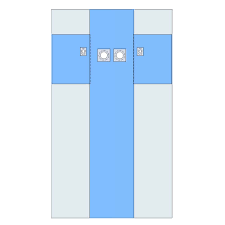
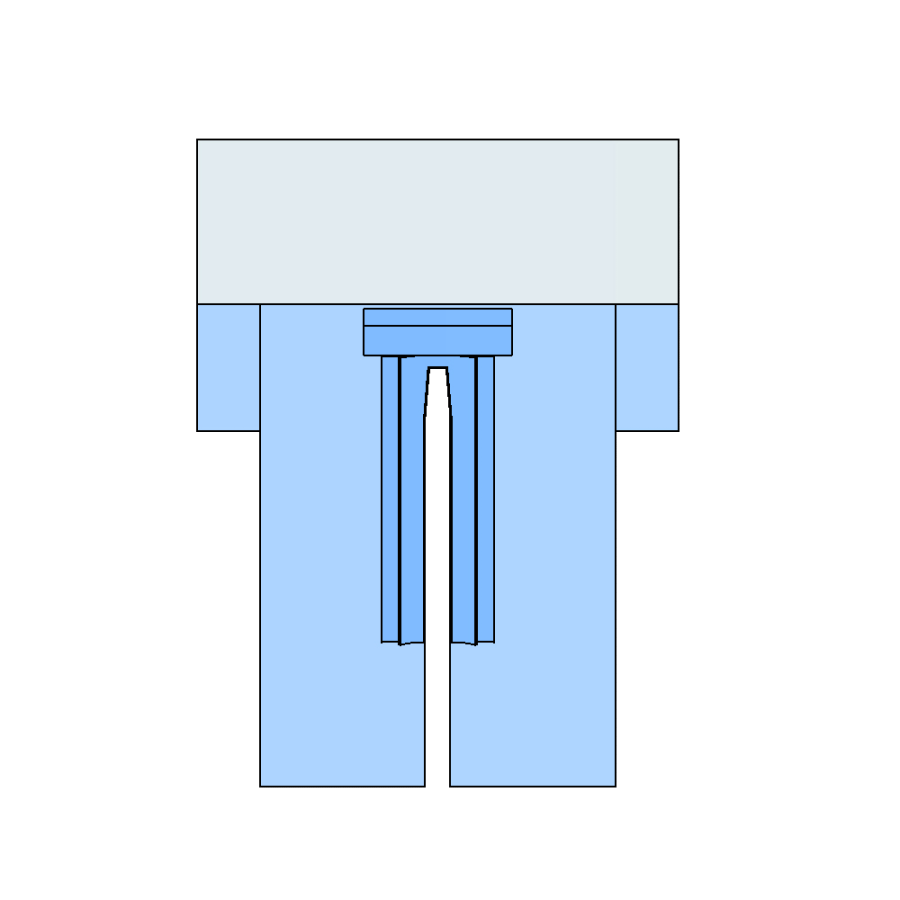
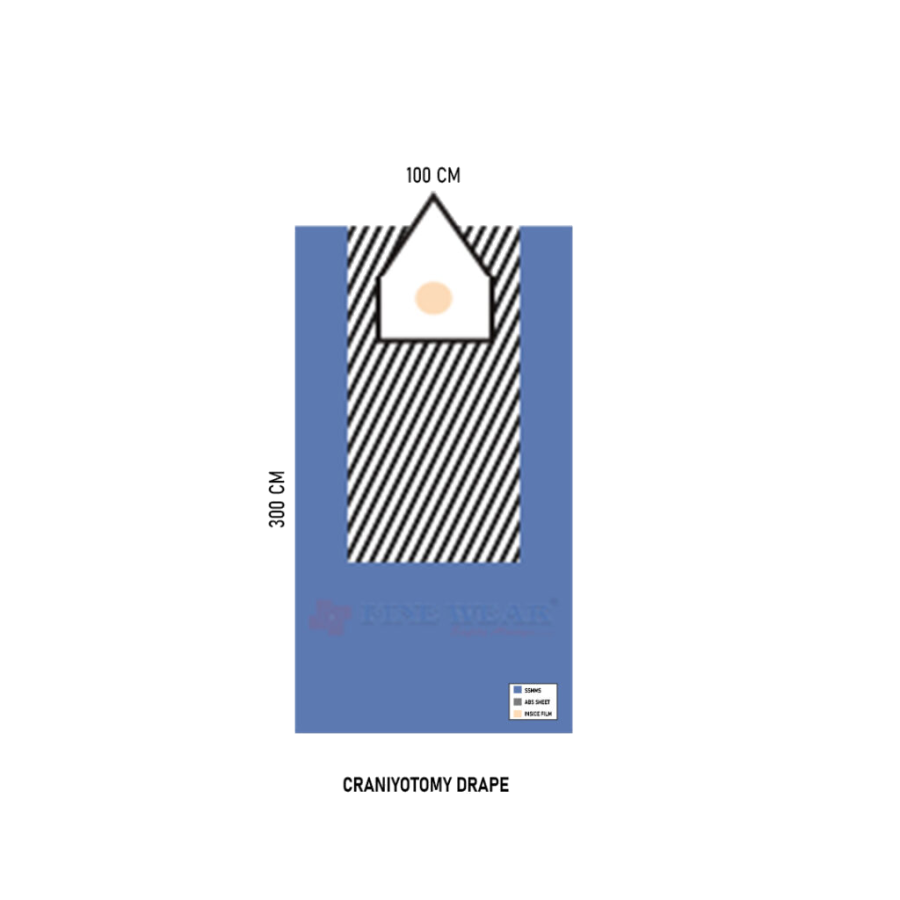
| Procedure-specific features | Adhesive apertures, pouches, incise windows and tube holders are easy to build in | Limited; adhesive and pouch features are harder to provide |
| Infrastructure needed | Dry storage space and a waste contract | Validated laundry, inspection area, CSSD capacity, tracking system |
| Cost pattern | Predictable price per case | Capital outlay, then running costs spread over many uses |
| Main environmental load | Raw materials and solid waste | Water, energy, detergents and transport |
| Supply risk | Dependent on deliveries and stock levels | Dependent on turnaround time, machine downtime and losses |
Cost: what belongs in the calculation
Comparing the purchase price of one reusable drape with one disposable drape tells you very little. The useful figure is cost per procedure, and it should be built from your own data.
- For reusables: purchase price divided by the cycles actually achieved, not the theoretical maximum; water, energy and chemicals; laundry and CSSD labour; inspection and repair; sterilisation wrap; transport; items lost, stained or stolen; and the stock needed to cover turnaround.
- For single-use: unit price, freight, storage space, stock-holding, and the cost of treating the additional waste under your biomedical waste arrangements.
Two indirect costs are easy to miss. Theatre time is one: a procedure pack that opens in one movement saves set-up time compared with assembling individual items, and that applies to either system. The other is the cost of a failure, such as a cancelled list because linen has not returned from the laundry, or a delivery that has not arrived.
The environmental question
Single-use drapes consume polymer raw materials and generate more solid waste. Reusable drapes consume water, energy and detergents on every cycle and still reach end of life eventually. Which has the lower overall footprint depends on factors that vary from site to site: how efficient the laundry is, how the electricity is generated, how many cycles each drape really completes, how far goods travel, and how waste is treated. Be cautious about any supplier, of either product, who presents the answer as settled.
Whatever you choose, the most reliable reduction comes from not using what is not needed. Right-sizing drapes, removing pack components that are routinely discarded unopened, and reviewing pack contents with theatre staff each year all cut waste without touching barrier performance. Customised procedure kits and packs exist for exactly this reason.
Where each tends to fit
Single-use drapes suit procedures with heavy fluid loads, cases needing integrated pouches or adhesive apertures, facilities without validated reprocessing capacity, day-care centres and smaller hospitals, and cases with a known infection risk where staff prefer not to handle contaminated linen. Reusable systems suit larger institutions that already run a validated laundry and CSSD with tracking, and that have the management attention to keep them performing. Many hospitals use both: reusable textiles for simple, low-fluid cases and single-use drapes for everything else.
Questions to settle before you decide
- Can the reprocessing unit document wash and sterilisation cycles for each item, and does it retire drapes at the declared limit?
- What standard and performance class does each product meet, and is the evidence current?
- What is your real cost per procedure for each option, including the items listed above?
- How will each option cope with a surge in cases or a supply interruption?
Shrisay Medical manufactures single-use drapes, so we have an obvious interest in this debate; our view is simply that the decision should rest on your own data. If single-use is the right fit, our surgical drapes can be customised by size, fenestration and pack content, and you can contact us with your requirement.
Frequently asked questions
Are disposable drapes safer than reusable drapes?
Not automatically. Both can meet recognised barrier standards; safety depends on manufacturing quality for single-use drapes and on validated reprocessing, inspection and cycle tracking for reusable ones.
How many times can a reusable drape be used?
The manufacturer of the reusable drape declares a maximum number of processing cycles. The reprocessor should track each item against that limit and withdraw it earlier if inspection shows damage.
Can a hospital use both systems together?
Yes. Many hospitals keep reusable textiles for simple, low-fluid cases and use single-use drapes where fluid loads are high or where integrated features such as pouches and adhesive apertures are needed.