Market size & growth (India)
India’s surgical drapes & gowns market is growing rapidly, driven by rising surgical volumes, hospital upgrades and greater infection-control focus. India market estimates place the surgical drapes & gowns market in the hundreds of millions USD with strong double-digit projected CAGR for the coming decade.
Globally, the surgical drapes market is expanding as well, reflecting similar drivers (increasing procedures, infection prevention emphasis).
Why orthopaedic disposables are gaining traction
- Procedure complexity: orthopaedic surgeries need robust barrier protection and reinforced fenestrations over implants/assist devices.
- Efficiency: pre-packed disposable kits cut OR prep time and reduce handling of multiple reusable items.
- Infection control: disposables lower cross-contamination risk when combined with proper aseptic practice.
Key product features for orthopaedic drapes
For orthopaedic use, buyers typically evaluate:
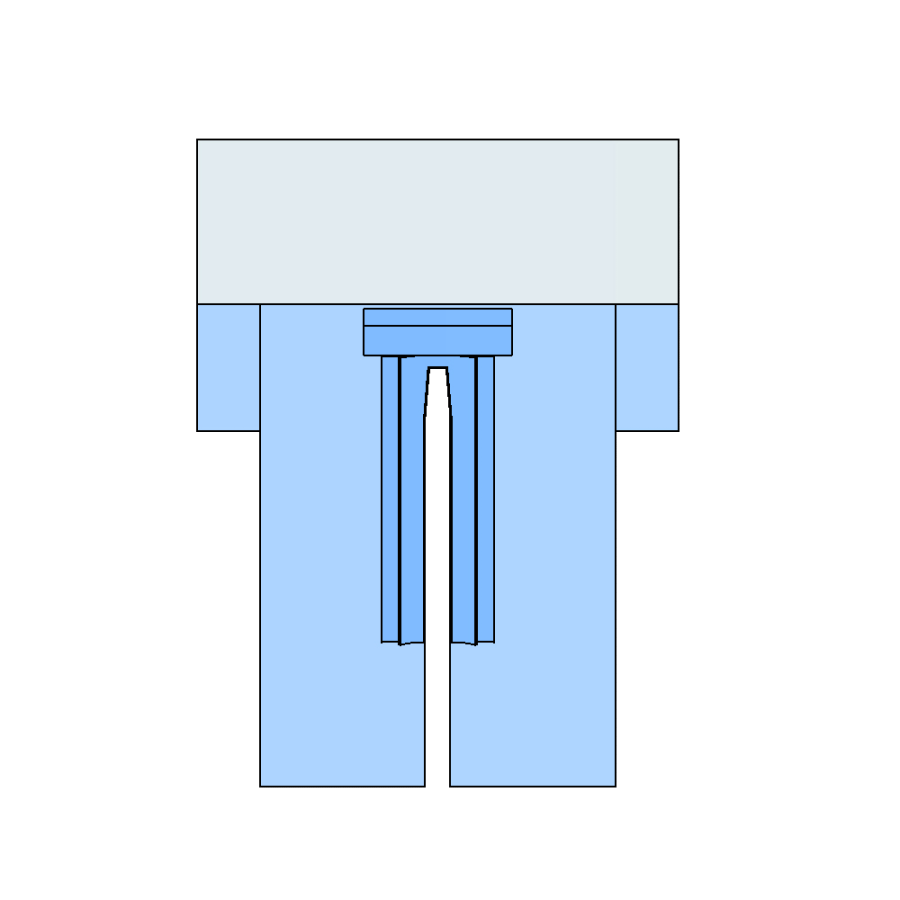
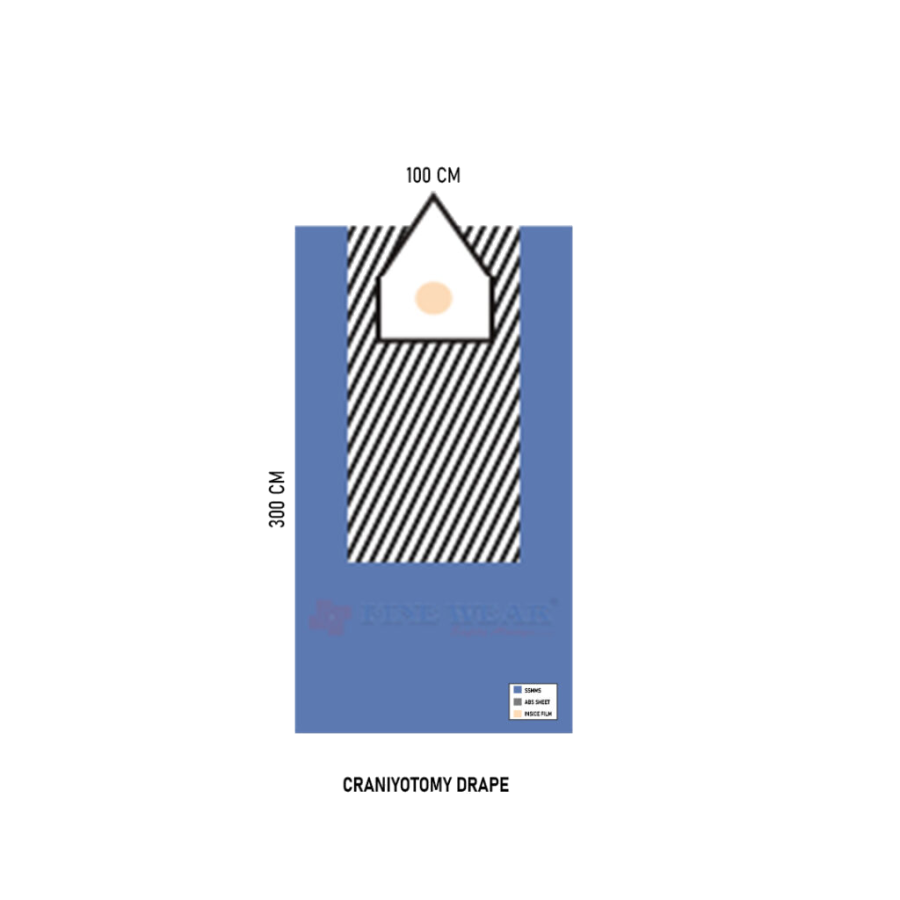
- Reinforced fenestration (adhesive, reinforced area around incision) and U/O-shape fenestrations for joint access.
- Fluid control — absorbent zones and collection pouches for irrigation/bleed management.
- Tear & puncture resistance to withstand instruments, power tools and sharp edges.
- Barrier/viral resistance — multi-layer laminates (SMS, PE film) or laminated viscose composites.
- Sterilization method & packaging (EO or gamma, sterile single-pack).
Regulation & quality standards (India)
BIS standards provide the reference for performance and testing of surgical drapes and gowns in India — notably IS 17334:2019 (Medical Textiles — Surgical Gowns and Surgical Drapes) and companion product manuals that guide conformity assessment. These standards define requirements for material safety, barrier performance, tensile/burst strength and sterilization/labeling. Compliance with these standards is a major procurement criterion for hospitals.
There are also test methods for resistance to wet bacterial penetration and other performance tests in BIS specifications.
Competitive landscape & sourcing
The market has a mix of domestic manufacturers (specialised non-wovens and medical textile firms) and imported brands (global suppliers offering procedure-specific drapes). Many Indian distributors stock OEM packs and global brands tailored for orthopaedics. Product listings and suppliers show common use of SMS, PP/PE laminates and reinforced adhesives in orthopaedic packs.
Opportunities for manufacturers & suppliers in India
- Higher-protection, procedure-specific packs (hip/knee/arthroscopy) with fluid management features.
- Localising production of ISO/BIS-compliant non-woven laminates to reduce import dependence and cost.
- Value-added packs (integrated suction/collection pouches, instrument covers, stockinettes) tailored to private hospital requirements.
- Sustainability innovations — biodegradable or recyclable components where clinically feasible (early stage opportunity).
- Clinical trials & hospital pilots proving lower SSI (surgical site infection) rates or OR efficiency gains to support adoption.
Procurement checklist for hospitals
- Confirm BIS/ISO/CE certifications and sterility method.
- Verify material composition (SMS/laminate) and barrier test data.
- Check reinforcement & fluid control features match the orthopaedic procedure.
- Ask for tensile/tear resistance data and packaging integrity validation.
Recommendation for companies entering or selling in India
- Build BIS-compliant product lines (IS 17334 alignment) and publish test reports.
- Offer procedure-specific orthopaedic packs with clear content lists and optional customization.
- Run targeted hospital trials with orthopaedic departments demonstrating OR time savings and handling benefits.
- Position price tiers: premium reinforced packs (tertiary centres) and cost-effective standard packs (district hospitals).