Key takeaways
- Drapes and gowns are barriers that limit the transfer of organisms to the wound; they are one part of a prevention bundle, not a substitute for it.
- Barrier performance depends on resistance to liquid and microbial penetration, especially in the critical zones closest to the incision.
- Most barrier failures in practice come from strike-through, poor fit, displacement or handling errors rather than from the fabric alone.
- Specify products against a recognised standard and match the protection level to the fluid load and duration of the procedure.
A surgical site infection (SSI) is an infection that develops at or near the incision after an operation. It is among the complications that theatre teams work hardest to avoid, because it prolongs recovery, may require further treatment and is distressing for the patient. No single product prevents SSI. Prevention relies on a series of measures applied consistently before, during and after surgery, and drapes and gowns occupy a specific, limited and important place within that series.
Where the organisms come from
To understand what a drape or gown is for, it helps to start with the sources of contamination. The organisms that reach a surgical wound generally come from one of a few places:
- The patient’s own skin and body sites. Skin cannot be sterilised, only prepared. Flora remain in deeper skin layers and in adjacent non-prepared areas.
- The surgical team. People shed skin particles carrying micro-organisms continuously, and more so with movement.
- The theatre environment. Air, surfaces, equipment and anything brought into the room.
- Instruments and materials. Items that were inadequately processed or contaminated after opening.
Drapes and gowns address the first two sources directly. They are physical barriers placed between a non-sterile surface and the sterile field.
The prevention bundle: many measures working together
Hospitals usually organise SSI prevention as a set of practices defined in their infection control policy. The exact content is a matter for each institution and its clinical leadership, but it typically covers patient preparation, antibiotic prophylaxis where indicated, skin antisepsis, surgical hand preparation, sterile instruments, theatre ventilation and discipline, barrier materials, wound care and surveillance. Barrier materials sit in the middle of that list. If skin preparation is rushed or instruments are compromised, an excellent drape will not rescue the outcome; equally, careful preparation is undermined if fluid soaks through a drape onto unprepared skin.
What drapes and gowns contribute
Surgical drapes
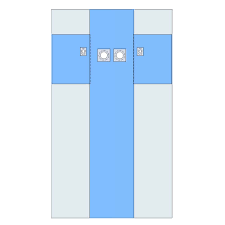
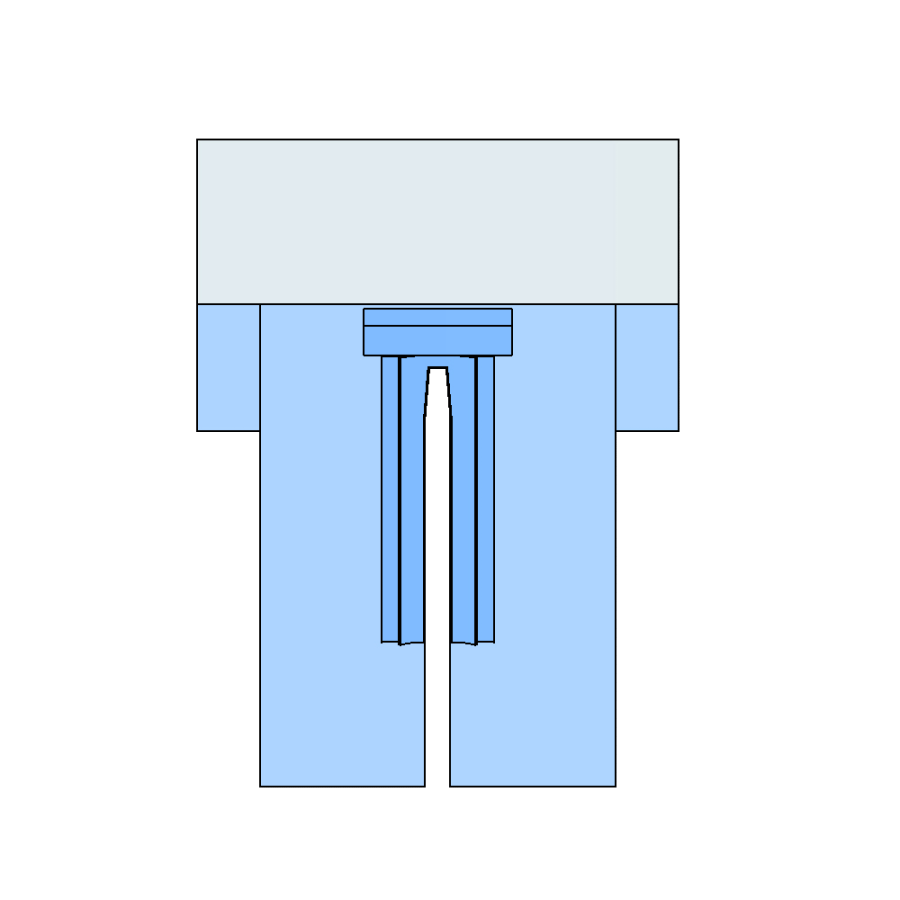
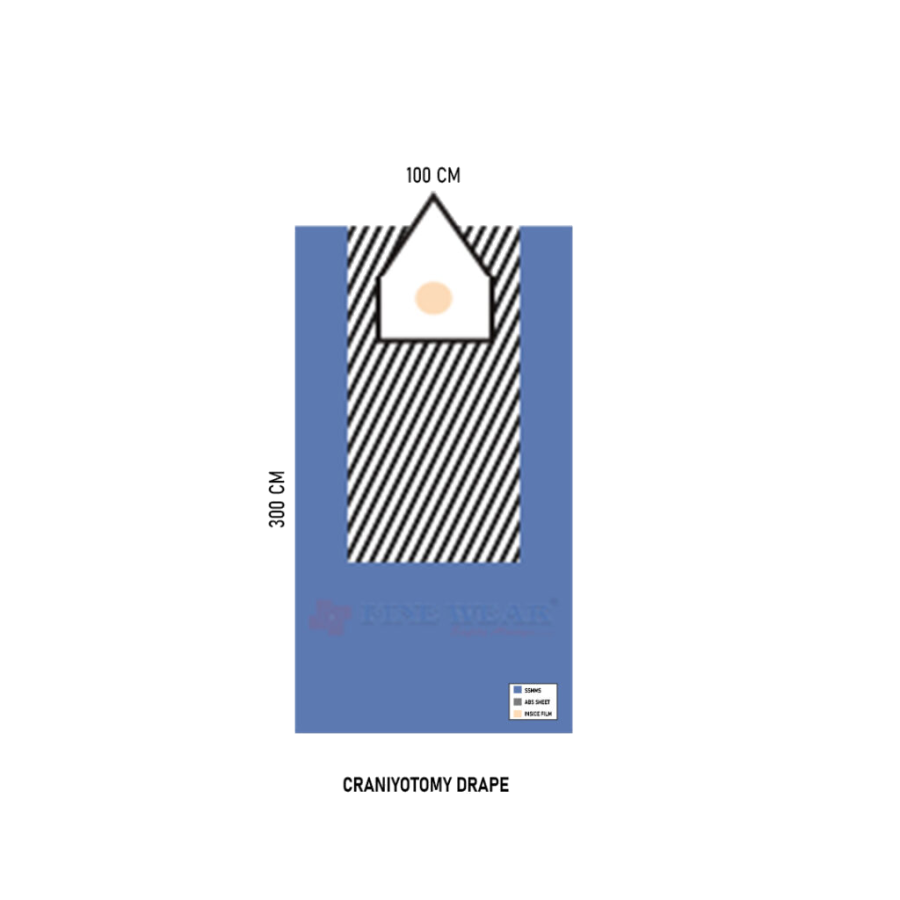
A drape isolates the prepared incision site from everything around it and creates the sterile surface on which the team works. To do that it needs to:
- resist penetration by liquids and by the micro-organisms those liquids can carry, both dry and wet;
- stay where it is placed, which is why adhesive fenestrations and well-positioned adhesive strips matter;
- control fluid, by absorbing it in a reinforced zone or channelling it to a collection pouch, so that it does not pool or run to the floor;
- shed as few particles as possible;
- conform to the patient and equipment without tenting open or leaving gaps.
Procedure-specific designs exist because anatomy and fluid load differ widely between, say, an arthroscopy and a laparotomy. A surgical drape range built around the procedure reduces the amount of improvisation needed at the table.
Surgical gowns
The gown works in both directions. It prevents organisms from the wearer’s skin and scrub suit reaching the field, and it protects the wearer from the patient’s blood and body fluids. The areas most likely to be in contact with fluid, the front of the chest and the forearms, are treated as critical zones in barrier standards and are where reinforcement is added on higher-protection surgical gowns. Fit matters as much as fabric: cuffs must sit securely under the glove, and a wrap-around back keeps the gown closed as the wearer moves.
How barriers fail in practice
When barrier protection breaks down, the cause is usually a mismatch between the product and the procedure, or a handling problem. The table summarises common failure modes.
| Failure | How it typically happens | Practical response |
|---|---|---|
| Strike-through | Fluid soaks through a material not rated for the fluid load or for prolonged pressure and contact | Choose a higher barrier level or reinforced product for long or wet procedures |
| Drape displacement | Weak or poorly placed adhesive, repositioning after placement, patient movement | Use adhesive-edged fenestrations; do not reposition a placed drape |
| Gaps in coverage | Drape too small for the table or patient position; gown too short or too small | Specify sizes for the actual tables, positions and staff |
| Damage | Tears or punctures from clips, instruments or sharp edges | Inspect on opening; replace or cover according to local protocol |
| Contamination on opening | Compromised packaging or poor aseptic presentation | Check pack integrity and expiry before opening |
The limits of barrier materials
It is worth being plain about the limits. Drapes and gowns do not sterilise anything, do not compensate for lapses in aseptic technique and do not remove the need for theatre discipline around traffic and door opening. Published guidance from infection control bodies treats them as barriers that should resist liquid penetration, and leaves the choice between single-use and reusable systems to the institution, provided the product in use meets the performance required. What matters is verified, consistent performance at the point of use.
Standards that define barrier performance
Three reference points are commonly used when specifying products. IS 17334:2019 is the Indian standard for surgical gowns and drapes. EN 13795 sets requirements for surgical drapes, gowns and clean air suits, with standard and high performance classes and separate requirements for critical and less critical product areas. AAMI PB70 classifies liquid barrier performance in four levels, with Level 4 being the highest. Procurement teams should read the current text of whichever standard their tender cites, since test methods and requirements are revised from time to time.
What to ask your supplier
- Which standard is the product tested against, and what performance class or level does it claim?
- Where are the critical zones, and how are they reinforced?
- What sterilisation method is used and how is sterility validated?
- Can sizes, fenestrations and pack contents be adjusted to our procedures?
- What documentation accompanies each batch?
Shrisay Medical manufactures surgical drapes, gowns and procedure packs in Faridabad and customises sizes, fenestrations and pack contents to the procedure; details of registrations are on the quality and certifications page. The final decision on what is used in theatre should always rest with the hospital’s infection control committee and its written protocol.
Frequently asked questions
Do surgical drapes prevent surgical site infections on their own?
No. Drapes are a barrier that limits the transfer of organisms to the wound, but they work only as part of a wider set of measures including skin antisepsis, sterile instruments and aseptic technique.
What is strike-through?
Strike-through is the passage of liquid through a drape or gown from one side to the other. Once a barrier is wet through, it can no longer be relied upon to stop micro-organisms.
Which standard should a tender for drapes and gowns cite?
Tenders in India commonly refer to IS 17334:2019, EN 13795 or AAMI PB70. Check the current official text of the chosen standard and ask the supplier for evidence of testing against it.