Key takeaways
- A fire needs fuel, an oxidiser and an ignition source; all three are routinely present in an operating theatre.
- Alcohol-based skin preparation must be allowed to dry fully, with no pooling or soaked materials, before draping and before any ignition source is used.
- Drapes are a fuel and can also trap oxygen and alcohol vapour beneath them, so the way they are placed matters.
- Risk is highest in head, neck and upper chest surgery with open oxygen delivery, and should be discussed in the team briefing.
Fire is not the first hazard most people associate with surgery, yet the operating theatre brings together everything a fire needs, a few centimetres from the patient. Surgical fires are uncommon, but their consequences can be severe, and investigation of such events repeatedly finds the same contributing factors. Because those factors are well understood, prevention is largely a matter of awareness and routine. This article explains the principles in general terms. Your hospital’s fire safety policy, anaesthetic guidance and the instructions supplied with each product are the documents to follow.
The fire triangle in theatre
Combustion requires three elements together: a fuel, an oxidiser and a source of ignition. Remove any one and a fire cannot start. In theatre, each side of the triangle is, broadly, in the hands of a different part of the team.
| Element | Examples in theatre | Mainly controlled by |
|---|---|---|
| Fuel | Drapes, gowns, swabs, gauze, dressings, alcohol-based skin preps, tracheal tubes, hair, ointments, bowel gas | Nursing staff and the scrub team |
| Oxidiser | Oxygen above room-air concentration; nitrous oxide | Anaesthetist |
| Ignition source | Electrosurgical units, lasers, fibre-optic light sources and cables, drills and burrs, defibrillators | Surgeon |
The division is a simplification, but it makes a useful point: no single person can see all three sides at once, so prevention depends on communication.
Alcohol-based skin preparation
Alcohol-based antiseptic solutions are widely used because of their rapid action, and they are flammable. Both the liquid and its vapour can ignite. The well-recognised precautions are these:
- Use the amount required and no more. Applicators designed to deliver a controlled volume help.
- Prevent pooling. Solution collects in the umbilicus, skin folds, under the patient, beneath a tourniquet cuff and in hair. Pooled solution takes far longer to evaporate and may be hidden once drapes are on.
- Remove soaked materials. Towels, pads or sheets wetted with prep during application are taken away before draping.
- Allow full drying time. Follow the drying time stated by the manufacturer of the prep, and remember that hair and skin folds need longer. Do not blot or fan as a shortcut unless the manufacturer’s instructions permit it.
- Drape only when dry. Draping over wet prep traps vapour under the drape, where it can accumulate and later meet an ignition source.
- Confirm aloud. Many teams include “prep dry” as a spoken check before the incision.
Drapes as fuel, and as a tent
Surgical drapes, whether single-use non-woven or reusable textile, are combustible. In ordinary room air a drape touched briefly by a hot instrument tip may scorch or melt. In an oxygen-enriched atmosphere the picture changes: materials ignite more easily and burn faster and hotter. Polypropylene non-wovens tend to melt and shrink away from heat, but they will burn, and no drape should be assumed fireproof.
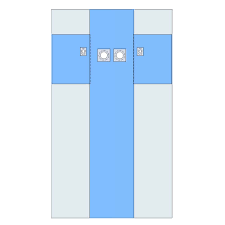
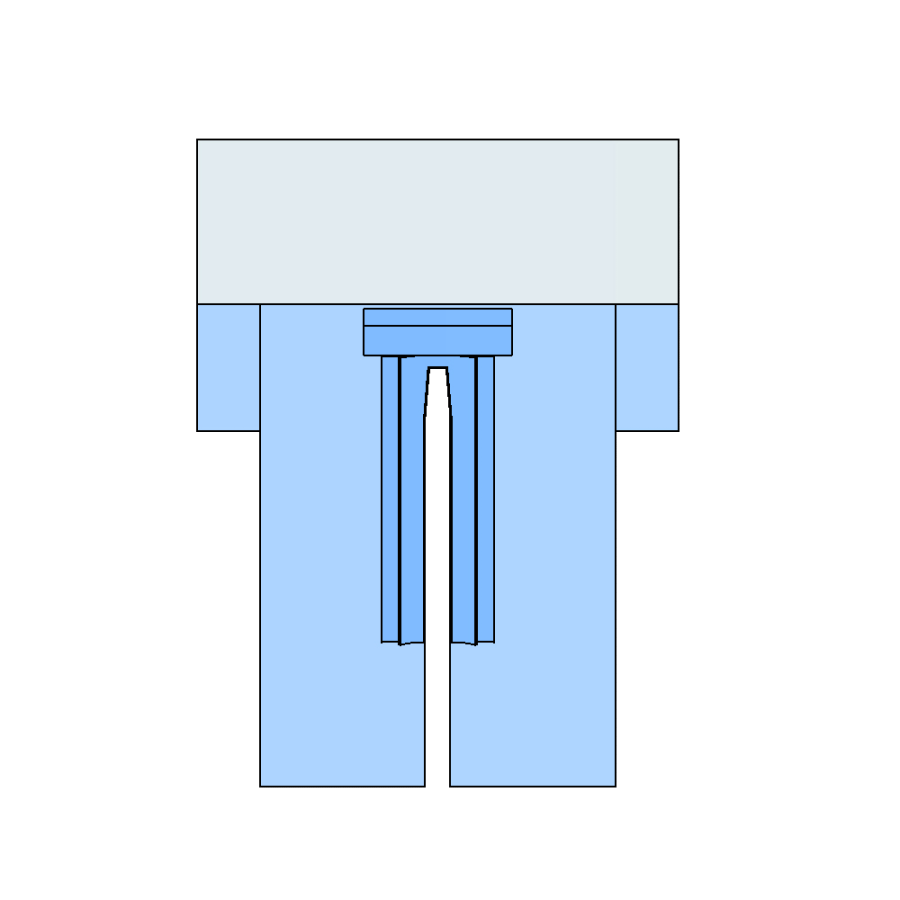
The second issue is geometry. Drapes form enclosed spaces. During procedures on the head, face, neck and upper chest performed under sedation with oxygen given by mask or nasal cannula, oxygen flows out under the drapes and can collect there and around the operative site. An electrosurgical pencil activated nearby then has fuel and an enriched oxidiser in close reach. Measures commonly described in safety guidance include arranging drapes so that gases can disperse away from the site and do not pool, using the lowest oxygen concentration that keeps the patient safe, and pausing to allow oxygen to dissipate before using an ignition source. Decisions about oxygen delivery are for the anaesthetist.
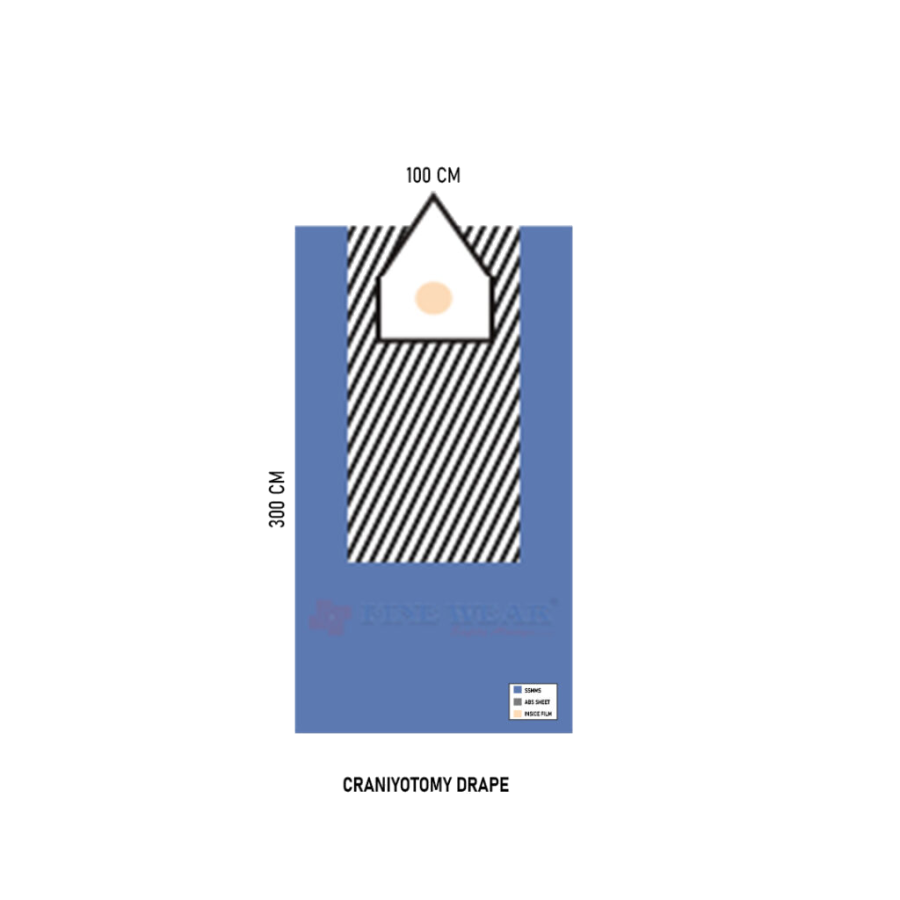
Clear drapes and incise films, and well-designed procedure-specific drapes, help by making it easier to see what lies beneath and by reducing the need for improvised layers.
Managing ignition sources at the table
- Place the electrosurgical pencil in its holster when not in use; never rest it on the drapes or the patient.
- Activate it only when the tip is in view and at the target.
- Keep the tip clean, since built-up eschar can glow and spark.
- Put lasers on standby when not in active use, and follow the laser safety protocol.
- Do not lay a lit fibre-optic light cable on a drape; the end becomes hot enough to burn through. Connect the cable before switching the source on, and switch it to standby before disconnecting.
- Moisten swabs and gauze used near an ignition source in an oxygen-enriched field, where the procedure allows.
Readiness: drills and a pre-incision check
Prevention is the priority, but every theatre should also know what to do if a fire starts. The elements usually covered in hospital drills are stopping the flow of airway gases, removing burning material from the patient, extinguishing it with saline or water kept ready on the field, caring for the patient, and, if the fire is not immediately controlled, raising the alarm and following the facility’s evacuation procedure. Staff should know where extinguishers, gas shut-off valves and exits are, and which type of extinguisher the hospital has designated for theatre use. Drills should be practised by the whole team together.
A fire risk check before the first incision
Many hospitals add a brief fire risk assessment to the surgical safety checklist. The questions are simple:
- Is the operative site at or above the chest, or near the airway?
- Is an open oxygen source in use?
- Will an ignition source be used?
- Has an alcohol-based prep been used, and is it dry with no pooling?
- Is saline available on the field?
What to ask your supplier
Ask what materials the drapes and gowns are made from, whether flammability testing has been carried out and to which method, and what warnings appear in the instructions for use. Ask too whether drape layouts can be adapted, for example with clear panels or different fenestration positions, to suit the way your teams work around the head and neck. Shrisay Medical customises drape sizes and fenestrations to the procedure; enquiries can be made through the contact page, and product information is listed on the products page.
Frequently asked questions
Are disposable surgical drapes fireproof?
No. Surgical drapes are combustible, and they ignite more readily and burn more intensely in an oxygen-enriched atmosphere. They should always be treated as a potential fuel.
How long should alcohol-based skin prep be left to dry before draping?
Follow the drying time stated by the manufacturer of the prep, allowing longer for hair and skin folds, and make sure no solution has pooled. Draping should begin only when the skin is fully dry.
Which procedures carry the highest surgical fire risk?
Risk is generally regarded as highest in surgery on the head, face, neck and upper chest when supplemental oxygen is delivered openly and an ignition source such as electrosurgery or a laser is in use.