Key takeaways
- Most receiving checks need only eyes, a tape measure and the purchase order, not a laboratory.
- Lot numbers on cartons, unit packs and certificates must all match, and every lot received should be recorded.
- A breach in the sterile barrier means the unit cannot be used as sterile, whatever the condition of its contents.
- Failed or uninspected stock should be physically quarantined and reported with lot details, quantities and photographs.
Once a carton of sterile drapes has been shelved in the theatre store, a defect in it will be found by a scrub nurse with a patient on the table. Found at the receiving bay, the same defect costs a phone call and a replacement. Incoming inspection is a modest investment of time for that reason, and it does not need a laboratory: most of what matters can be seen, counted or measured with a tape.
The checklist below is written for hospital and distributor stores receiving single-use drapes, gowns and packs. It should be adapted to the organisation’s own receiving procedure, and the sample sizes and acceptance criteria should be those set by its quality or purchase department.
Before opening anything: the cartons
The shipping carton is part of the protective packaging system, and its condition says a good deal about how the goods have travelled. Check each delivery for:
- Crushed, torn or re-taped cartons, and corners that have collapsed under stacking.
- Water marks, damp patches or staining, which suggest exposure to rain or a wet floor.
- Signs of pests, dust ingress or contamination with oil or chemicals.
- Carton count against the delivery challan or packing list.
Damage should be noted on the transporter’s copy of the delivery document before it is signed, and photographed. A carton that is merely scuffed can be accepted; one that has been wet or crushed should be set aside for a closer look at its contents.
Labels, lot numbers and expiry against the purchase order
Next, compare what the labels say with what was ordered. The carton label and the unit label should agree with each other and with the purchase order on product name and code, size, sterile or non-sterile status, and quantity per carton. Record every lot number received and the quantity under each, since this is what makes a later recall or complaint traceable.
Check the date of manufacture and the expiry date, and compare the remaining shelf life with the minimum stated in the purchase order or contract. A delivery made up of several lots is acceptable if the contract allows it, but each lot needs its own record. Staff who are unsure of the symbols will find them explained in our guide on how to read a sterile medical-device label.
Documents received with the lot
The paperwork to expect should be listed in the purchase order. Typically it includes:
- Tax invoice and delivery challan, matching the order in item, quantity and rate.
- A certificate of conformance or certificate of analysis for each lot.
- A sterilisation certificate for sterile products, identifying the lots it covers.
- Test reports, where the contract calls for them with each supply.
The lot numbers on the certificates must be the lot numbers on the cartons. A certificate that refers to a different lot is not evidence for the goods in front of you, and the supplier should be asked to correct it before the stock is released.
Sterile pack integrity
From the sampled cartons, take out unit packs and examine them without opening them. The sterile barrier, usually a pouch or a wrapped and bagged pack, is what keeps the contents sterile until use, so any breach means the unit cannot be used as sterile.
- Seals should be continuous along their full length, with no channels, creases, gaps or open corners.
- The film or paper should be free of punctures, tears and pinholes, particularly at folds and where a bulky item presses against the pack.
- There should be no moisture, staining or loose debris inside the pack.
- The process indicator, where one is printed on the pack, should show the colour that the label describes for a processed pack.
- Printing should be legible and should not rub off.
Handling and storage after acceptance matter just as much; see our article on sterile barrier packaging, shelf life and pack damage.
Dimensional and visual checks on a sample
A small number of units from each lot should be opened and compared with the approved sample or specification. These units are consumed by the inspection, so the number is a matter of policy. On a clean table, check the following.
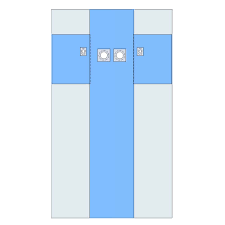
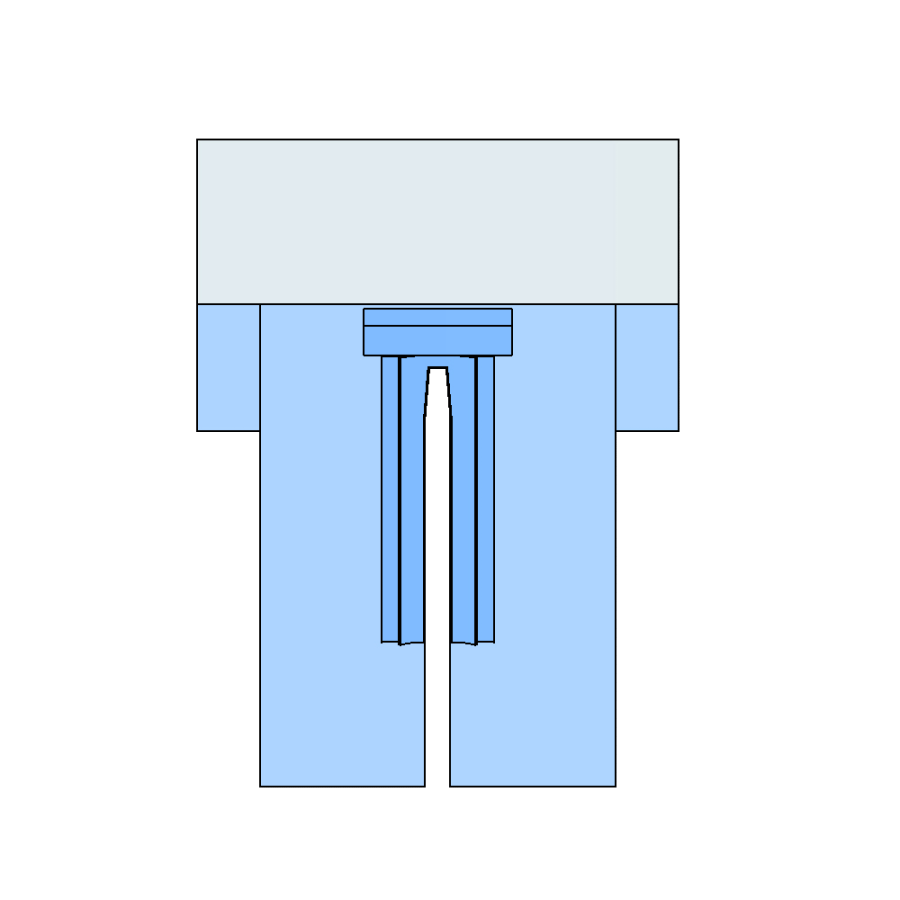
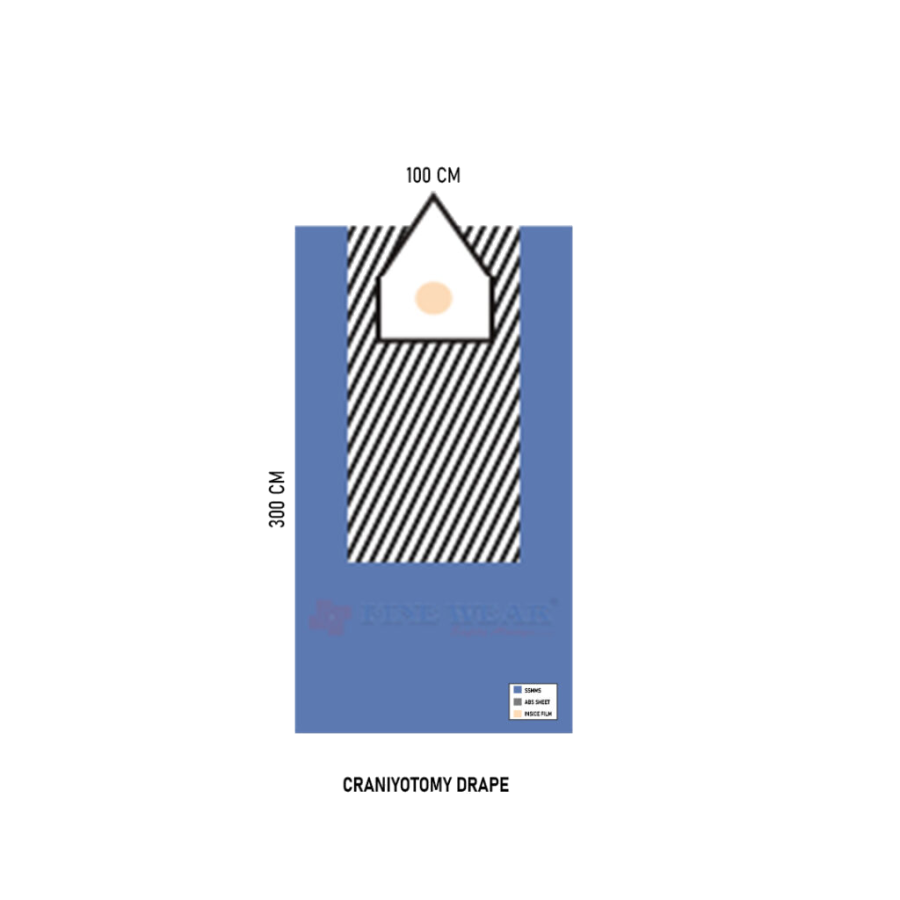
- Dimensions: overall length and width of drapes, size and position of the fenestration, size of the reinforcement; for gowns, length, chest width and sleeve length against the size chart.
- Fabric: colour and feel consistent with the approved sample, with no holes, thin patches, stains or foreign matter. Fabric weight can be verified by the method described in our article on GSM in medical non-wovens.
- Construction: seams and bonded joins complete, cuffs attached all round, ties and hook-and-loop tabs present and secure, adhesive strips in place with liners that peel cleanly.
- Folding: the item opens in the expected sequence, with any direction markers present.
- Pack contents: for kits, every component present in the stated quantity and order.
The checklist in one table
| Stage | What to check | If it fails |
|---|---|---|
| Cartons | Count, crushing, damp, contamination | Note on delivery document; photograph; segregate affected cartons |
| Labels | Product, size, lot, expiry and quantity against the purchase order | Hold the lot; ask the supplier to clarify |
| Documents | Invoice, lot certificates, sterilisation certificate | Hold the lot until correct documents are received |
| Sterile packs | Seals, punctures, moisture, indicator, print | Reject affected units; widen the sample |
| Opened sample | Dimensions, fabric, construction, folding, contents | Quarantine the lot; raise a non-conformance |
Quarantine and reporting a non-conformance
Stock that has not yet passed inspection, and stock that has failed it, should be physically separated from usable stock and clearly marked. A labelled shelf or pallet position is enough, provided everyone knows that nothing leaves it without release by the responsible person. If the inventory system allows, the lot should also be blocked there.
A useful non-conformance report gives the supplier what it needs to investigate:
- Purchase order, invoice and delivery date.
- Product code, lot number and expiry date.
- Quantity received, quantity inspected and quantity found defective.
- A plain description of the defect, with photographs and, where possible, the retained sample.
- The action requested: replacement, credit or investigation.
Report promptly, within the period the contract allows, and keep the affected goods until the supplier has responded. Any product that could affect patient safety should also be escalated through the hospital’s own incident-reporting route, in line with local policy.
Shrisay Medical supplies drapes, gowns and packs from Faridabad to hospitals and distributors; details of the range are on our surgical drapes page.
Frequently asked questions
How many packs should be opened for inspection?
That is set by the organisation’s sampling policy. Opened sterile packs cannot be returned to stock, so the plan should balance the size of the lot against the cost of the samples.
Can a carton with outer damage still be accepted?
Light scuffing is normally acceptable. Cartons that have been crushed or wet should be opened and their unit packs examined before a decision is made.
What if the sterilisation certificate shows a different lot number?
The certificate does not then cover the goods received. Hold the stock and ask the supplier for the correct document before releasing it for use.