Key takeaways
- Confirm that the company is the actual manufacturer and holds the licences and registrations required for the products it offers.
- Ask for evidence rather than statements: test reports, sterilisation validation records and lot documents that correspond to the product quoted.
- Evaluate samples in a real theatre set-up and compare later deliveries against a retained reference sample.
- Traceability, change control and complaint handling show how a supplier will behave when something goes wrong.
Surgical drapes look alike in a catalogue. The differences that matter, such as barrier performance, linting, the reliability of the sterile pack and consistency from one lot to the next, only become visible through documents, samples and experience. India has a large number of drape suppliers, ranging from full manufacturers with their own converting and sterilisation arrangements to traders who repack goods made elsewhere. The twelve checks below give procurement teams a structured way to tell them apart. They are grouped into four areas so that the assessment can be divided between procurement, quality and clinical staff.
Legal and regulatory standing (checks 1–3)
- 1. Is the company the manufacturer? Ask for the address of the manufacturing site and confirm that the name on the licence matches the name on the quotation. If the supplier is a marketer or trader, ask who the manufacturer is and whether you may see that site’s documents.
- 2. Does it hold the required licence or registration? Surgical drapes and gowns are regulated as medical devices in India under the Medical Device Rules, 2017, administered by CDSCO and the state licensing authorities. Requirements depend on the device class and have been phased in over time, so ask the supplier which licence or registration covers the specific product, and verify the current position on the official portal or with your regulatory adviser.
- 3. Which certifications apply, and to what? A certificate has a scope. Check that an ISO 13485 certificate, where held, names the site and the product type, and that any BIS licence relates to the specific product and Indian Standard claimed. A logo on a brochure is not evidence; a current certificate with a matching scope is.
Materials and manufacturing (checks 4–6)
- 4. What are the drapes made of, and where does the fabric come from? Ask for the material construction of each product (for example SMS non-woven, or a non-woven and film laminate), the fabric weight, and whether the manufacturer holds specifications and incoming inspection records for its raw materials.
- 5. What are the production conditions? Cutting, folding and packing of sterile products should take place in a controlled, clean environment with defined gowning, cleaning and pest-control procedures. A site visit or a video walk-through tells you more than any questionnaire.
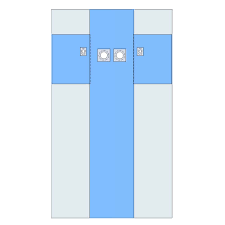
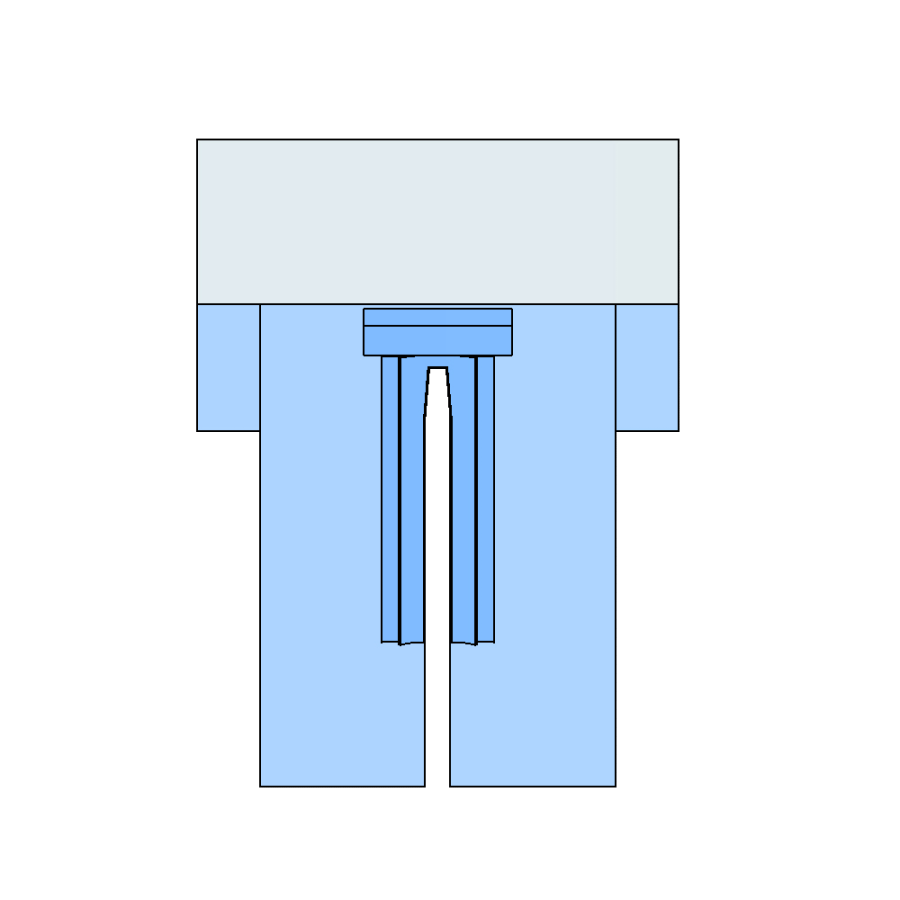
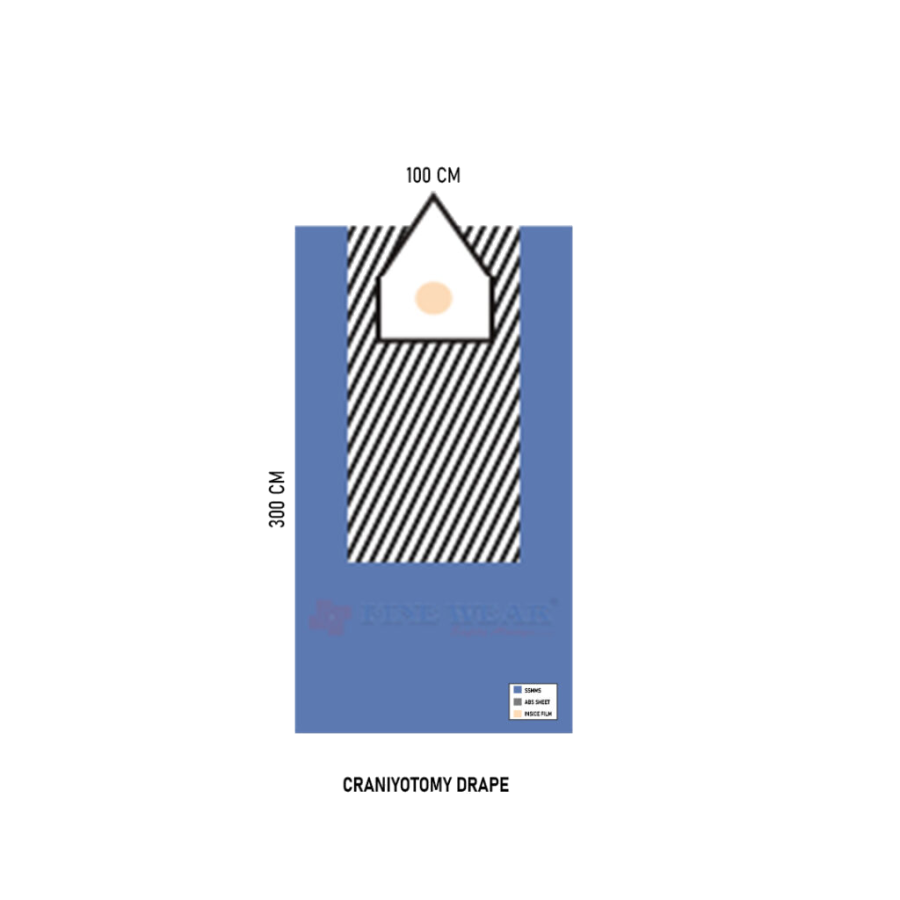
- 6. Can the product be customised, and how is that controlled? Most hospitals need at least some changes to size, fenestration or pack contents. Ask how a customised product is specified, sampled, approved and documented, so that the tenth order matches the first. Our surgical drapes page lists the features that are typically customisable.
Sterility and performance evidence (checks 7–9)
- 7. How are the drapes sterilised? Ethylene oxide is the usual method for non-woven drapes. Ask whether sterilisation is done in-house or by a contractor, whether the cycle is validated in line with the relevant standard (ISO 11135 for ethylene oxide), and how each load is released.
- 8. Is the sterile packaging validated? The pack must keep the product sterile until it is opened. Ask about the packaging materials, seal checks and the basis for the stated shelf life. ISO 11607 is the reference standard for packaging of terminally sterilised devices.
- 9. What test evidence supports the performance claims? Drapes are commonly specified against IS 17334:2019, EN 13795 or AAMI PB70. Ask for test reports that identify the product or material tested, the test methods and the laboratory. A report on a different fabric weight or construction does not support the product you are buying.
Traceability, service and commercial terms (checks 10–12)
- 10. Can a lot be traced? Every pack should carry a lot number, and the manufacturer should be able to link that number to raw material lots, production and sterilisation records. Ask how a recall or field correction would be carried out.
- 11. How are complaints and changes handled? Ask for the complaint procedure and for an undertaking that changes to material, design, site or sterilisation will be notified before they take effect.
- 12. Are the commercial terms clear and realistic? Confirm minimum order quantities, lead times, remaining shelf life at delivery and packing details in writing. For public procurement, check whether the manufacturer is registered on GeM and in which capacity.
Documents to request against each check
| Area | Evidence to request |
|---|---|
| Legal standing | Manufacturing licence or registration, company registration, GST details |
| Quality system | Current quality management certificate showing scope and site |
| Product certification | BIS licence or other product certificate for the specific item, where claimed |
| Materials | Material specification or data sheet for the fabric used |
| Sterilisation | Summary of validation; sterilisation certificate for a recent lot |
| Performance | Test reports identifying the product, the method and the laboratory |
| Traceability | Sample label and a certificate of analysis or conformance for a lot |
An overview of the registrations Shrisay Medical displays is on our quality and certifications page.
Evaluating samples properly
Documents establish that a supplier can make a compliant product; samples show whether the product suits your theatre. A useful evaluation involves the people who will use it.
- Open the pack as it would be opened in theatre and check that the folding allows aseptic application.
- Check the fenestration size and position against the procedures it is meant for.
- Test adhesive strips on a prepared surface: they should hold through the case and release without leaving heavy residue.
- Look for loose fibres, uneven seals, and weak points where reinforcement or pouches are attached.
- Keep one unopened sample, signed and dated, as the reference for future deliveries.
Using the checklist in practice
Not every check carries the same weight for every buyer. A hospital placing a small order may rely on documents and samples, while a distributor or a large group committing to regular volumes should add a site visit. Score each supplier against the same twelve points, record what evidence was seen, and repeat the review periodically, because certificates expire and processes change.
Shrisay Medical is a manufacturer of surgical drapes, gowns and procedure packs with its facility in Faridabad, and is a GeM-registered OEM. If you would like documents or samples for evaluation, please get in touch.
Frequently asked questions
Is a site visit necessary before choosing a drape manufacturer?
It is not always practical for small orders, but for regular or high-volume supply a visit or a live video walk-through is the most reliable way to confirm production conditions and that the supplier is the actual manufacturer.
Which standard should surgical drapes in India comply with?
IS 17334:2019 is the Indian Standard for surgical gowns and drapes, and EN 13795 and AAMI PB70 are also widely referenced. Confirm which standard your institution requires and check the current official text.
How can I confirm that a test report applies to the product I am buying?
The report should identify the product or fabric tested, including its construction and weight, and these should match the item quoted. If they do not, ask for a report on the correct product.